Stan książek
Nasze książki są dokładnie sprawdzone i jasno określamy stan każdej z nich.
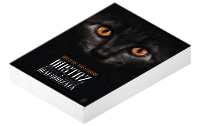

Nowa
Książka nowa.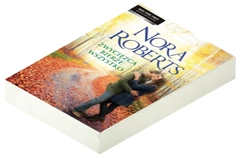
Używany - jak nowa
Niezauważalne lub prawie niezauważalne ślady używania. Książkę ciężko odróżnić od nowej pozycji.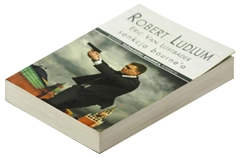
Używany - dobry
Normalne ślady używania wynikające z kartkowania podczas czytania, brak większych uszkodzeń lub zagięć.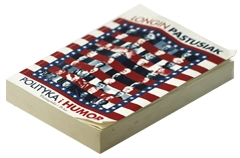
Używany - widoczne ślady użytkowania
zagięte rogi, przyniszczona okładka, książka posiada wszystkie strony.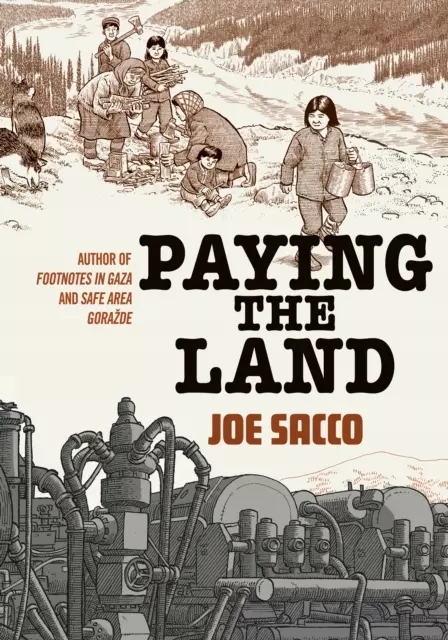
Paying the Land
Masz tę lub inne książki?
Sprzedaj je u nas

In his first major journalistic work in a decade, often described as the `heir to R. Crumb and Art Spiegelman` by the Economist, Joe Sacco uses his exceptional skill in comics to tell a poignant story about Indigenous North America, resource extraction, and humanity's responsibility to the natural world. The Dene people have inhabited the expansive Mackenzie River Valley since time immemorial, with the belief that they belong to the land rather than owning it—it is integral to their existence and cultural identity. However, the subarctic region of Canada's Northwest Territories is rich in resources like oil, gas, and diamonds. While mining has brought jobs and investment opportunities, it has also led to the construction of roads and pipelines, environmental degradation, and social challenges such as alcohol, drugs, and debt, which have disrupted their traditional way of life.In "Paying the Land," Joe Sacco ventures into the frozen North to uncover the internal conflicts faced by the Dene people as they weigh the advantages and disadvantages of development. Resource extraction is just one facet of Canada’s colonial history; Sacco delves into the devastating impact of the residential school system designed to erase Indigenous identity, the coercive measures that forced the Dene from their traditional territories into settlements, transforming them into wage laborers, and the governmental land claims that undermine the Dene Nation. He highlights their strenuous fight to rejuvenate their threatened culture.Set against a breathtaking and immense landscape that diminishes human presence, "Paying the Land" captures narratives from trappers, chiefs, activists, and priests, weaving an expansive tale about financial dependence, cultural loss, and resilience, all brought vividly to life through Sacco's outstanding illustrations and storytelling abilities.
Wybierz stan zużycia:
WIĘCEJ O SKALI
In his first major journalistic work in a decade, often described as the `heir to R. Crumb and Art Spiegelman` by the Economist, Joe Sacco uses his exceptional skill in comics to tell a poignant story about Indigenous North America, resource extraction, and humanity's responsibility to the natural world. The Dene people have inhabited the expansive Mackenzie River Valley since time immemorial, with the belief that they belong to the land rather than owning it—it is integral to their existence and cultural identity. However, the subarctic region of Canada's Northwest Territories is rich in resources like oil, gas, and diamonds. While mining has brought jobs and investment opportunities, it has also led to the construction of roads and pipelines, environmental degradation, and social challenges such as alcohol, drugs, and debt, which have disrupted their traditional way of life.In "Paying the Land," Joe Sacco ventures into the frozen North to uncover the internal conflicts faced by the Dene people as they weigh the advantages and disadvantages of development. Resource extraction is just one facet of Canada’s colonial history; Sacco delves into the devastating impact of the residential school system designed to erase Indigenous identity, the coercive measures that forced the Dene from their traditional territories into settlements, transforming them into wage laborers, and the governmental land claims that undermine the Dene Nation. He highlights their strenuous fight to rejuvenate their threatened culture.Set against a breathtaking and immense landscape that diminishes human presence, "Paying the Land" captures narratives from trappers, chiefs, activists, and priests, weaving an expansive tale about financial dependence, cultural loss, and resilience, all brought vividly to life through Sacco's outstanding illustrations and storytelling abilities.
Szczegóły
Inne książki: Joe Sacco

Podobne produkty
Może Ci się spodobać
Inne książki z tej samej kategorii

Napisz opinię o książce i wygraj nagrodę!
W każdym miesiącu wybieramy najlepsze opinie i nagradzamy recenzentów.
Dowiedz się więcejWartość nagród w tym miesiącu
880 zł
Dodaj swoją opinię
Zaloguj się na swoje konto, aby mieć możliwość dodawania opinii.
Czy chcesz zostawić tylko ocenę?
Dodanie samej oceny o książce nie jest brane pod uwagę podczas losowania nagród. By mieć szansę na otrzymanie nagrody musisz napisać opinię o książce.
Już oceniłeś/zrecenzowałeś te książkę w przeszłości.
Możliwe jest dodanie tylko jednej recenzji do każdej z książek.
Sposoby dostawy
Odbiór w punkcie (7)
InPost Paczkomat 24/7

14,99 zł
DPD Pickup Automaty i Punkty Odbioru

11,99 zł





Dostawa na adres (7)
GLS U Ciebie - Kurier

14,99 zł
Kurier DPD

14,99 zł





Sposoby płatności
Płatność z góry
Przedpłata

Zwykły przelew
