Stan książek
Nasze książki są dokładnie sprawdzone i jasno określamy stan każdej z nich.

Nowa
Książka nowa.
Używany - jak nowa
Niezauważalne lub prawie niezauważalne ślady używania. Książkę ciężko odróżnić od nowej pozycji.
Używany - dobry
Normalne ślady używania wynikające z kartkowania podczas czytania, brak większych uszkodzeń lub zagięć.
Używany - widoczne ślady użytkowania
zagięte rogi, przyniszczona okładka, książka posiada wszystkie strony.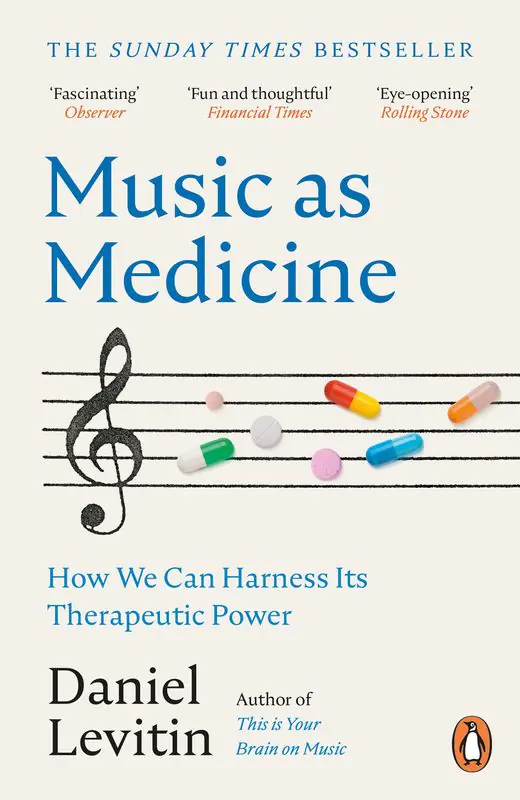
Music as Medicine
Masz tę lub inne książki?
Sprzedaj je u nas

Endorsed by the OBSERVER as 'Fascinating' and hailed by the WALL STREET JOURNAL as 'Essential,' this work also captured the attention of the GUARDIAN, calling it 'Intriguing.' We're only just scratching the surface of understanding the profound impact music has on both our minds and bodies. In this illuminating discourse, a renowned neuroscientist and accomplished musician sheds light on an innovative approach to medical treatment. The narrative delves into how techniques like 'rhythmic auditory stimulation' can be pivotal in combating conditions such as multiple sclerosis. Additionally, insights are offered into why the music of Tracy Chapman might play a role in alleviating PTSD symptoms. Professor Daniel Levitin navigates the intersection of music and science, presenting compelling strategies to utilize music for physical restoration and healing profound psychological wounds. This exploration not only demystifies the scientific underpinnings of music but also celebrates the timeless human captivation with it.
Wybierz stan zużycia:
WIĘCEJ O SKALI
Endorsed by the OBSERVER as 'Fascinating' and hailed by the WALL STREET JOURNAL as 'Essential,' this work also captured the attention of the GUARDIAN, calling it 'Intriguing.' We're only just scratching the surface of understanding the profound impact music has on both our minds and bodies. In this illuminating discourse, a renowned neuroscientist and accomplished musician sheds light on an innovative approach to medical treatment. The narrative delves into how techniques like 'rhythmic auditory stimulation' can be pivotal in combating conditions such as multiple sclerosis. Additionally, insights are offered into why the music of Tracy Chapman might play a role in alleviating PTSD symptoms. Professor Daniel Levitin navigates the intersection of music and science, presenting compelling strategies to utilize music for physical restoration and healing profound psychological wounds. This exploration not only demystifies the scientific underpinnings of music but also celebrates the timeless human captivation with it.
Szczegóły
Inne książki: Daniel Levitin

Podobne produkty
Może Ci się spodobać
Inne książki z tej samej kategorii

Napisz opinię o książce i wygraj nagrodę!
W każdym miesiącu wybieramy najlepsze opinie i nagradzamy recenzentów.
Dowiedz się więcejWartość nagród w tym miesiącu
880 zł
Dodaj swoją opinię
Zaloguj się na swoje konto, aby mieć możliwość dodawania opinii.
Czy chcesz zostawić tylko ocenę?
Dodanie samej oceny o książce nie jest brane pod uwagę podczas losowania nagród. By mieć szansę na otrzymanie nagrody musisz napisać opinię o książce.
Już oceniłeś/zrecenzowałeś te książkę w przeszłości.
Możliwe jest dodanie tylko jednej recenzji do każdej z książek.
Sposoby dostawy
Odbiór w punkcie (7)
InPost Paczkomat 24/7

14,99 zł
DPD Pickup Automaty i Punkty Odbioru

11,99 zł





Dostawa na adres (7)
GLS U Ciebie - Kurier

14,99 zł
Kurier DPD

14,99 zł





Sposoby płatności
Płatność z góry
Przedpłata

Zwykły przelew
