Stan książek
Nasze książki są dokładnie sprawdzone i jasno określamy stan każdej z nich.


Nowa
Książka nowa.
Używany - jak nowa
Niezauważalne lub prawie niezauważalne ślady używania. Książkę ciężko odróżnić od nowej pozycji.
Używany - dobry
Normalne ślady używania wynikające z kartkowania podczas czytania, brak większych uszkodzeń lub zagięć.
Używany - widoczne ślady użytkowania
zagięte rogi, przyniszczona okładka, książka posiada wszystkie strony.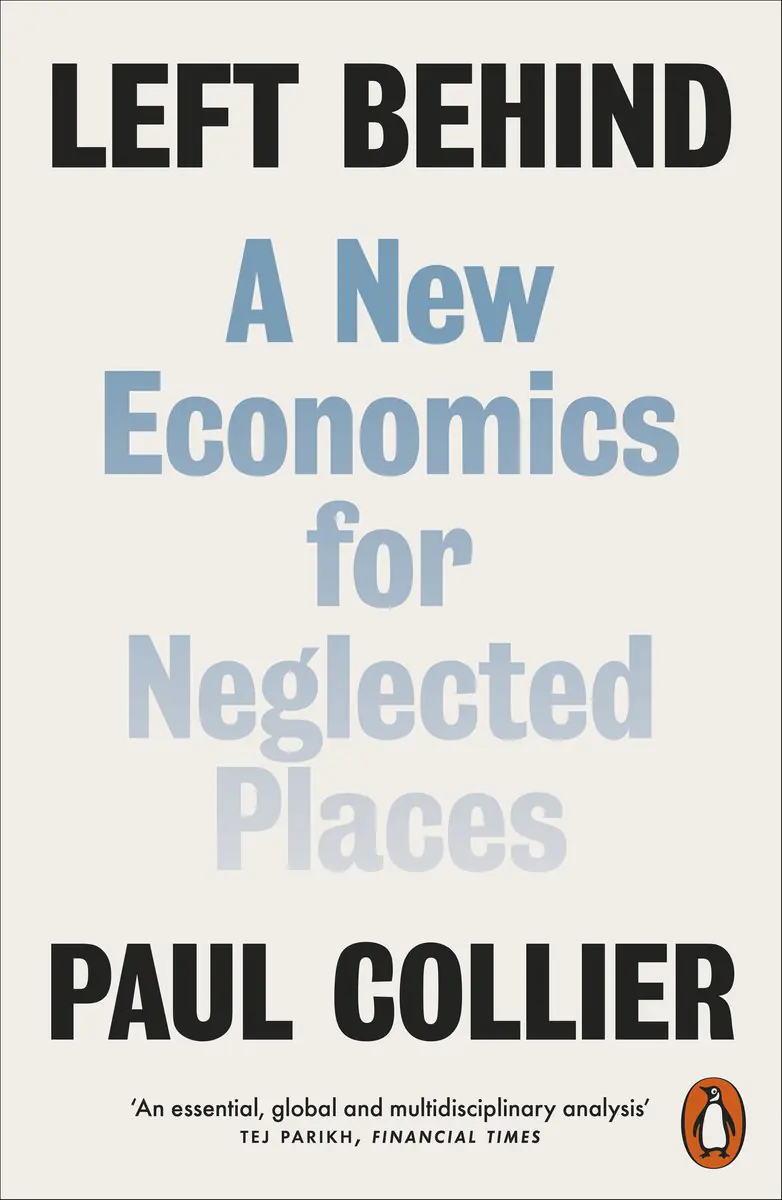
Left Behind
Masz tę lub inne książki?
Sprzedaj je u nas

In many prosperous nations, there exist regions that lag behind, such as South Yorkshire, once a hub of the industrial revolution but now England's poorest county, and Barranquilla, which was once Colombia’s gateway to the Caribbean, now facing struggles. More concerning is that the world's poorest countries continue to fall further behind compared to wealthier nations. What causes these areas to decline, and what solutions do we have? Esteemed development economist Paul Collier explores these questions in his book, where he provides an honest analysis of the factors leading to the increasing disparity between regions and nations. Collier criticizes outdated economic principles that emphasize market forces and centralized government bodies like the UK Treasury. He points to recent academic research that highlights the importance of collective learning, social capital, and local empowerment in countering decline and promoting equal opportunities. By integrating ideas from social psychology, moral philosophy, and behavioral economics, and supported by enlightening case studies, Collier presents an inspiring vision for a more equal and prosperous global society.
Wybierz stan zużycia:
WIĘCEJ O SKALI
In many prosperous nations, there exist regions that lag behind, such as South Yorkshire, once a hub of the industrial revolution but now England's poorest county, and Barranquilla, which was once Colombia’s gateway to the Caribbean, now facing struggles. More concerning is that the world's poorest countries continue to fall further behind compared to wealthier nations. What causes these areas to decline, and what solutions do we have? Esteemed development economist Paul Collier explores these questions in his book, where he provides an honest analysis of the factors leading to the increasing disparity between regions and nations. Collier criticizes outdated economic principles that emphasize market forces and centralized government bodies like the UK Treasury. He points to recent academic research that highlights the importance of collective learning, social capital, and local empowerment in countering decline and promoting equal opportunities. By integrating ideas from social psychology, moral philosophy, and behavioral economics, and supported by enlightening case studies, Collier presents an inspiring vision for a more equal and prosperous global society.
Szczegóły
Inne książki: Paul Collier

Podobne produkty
Może Ci się spodobać
Inne książki z tej samej kategorii

Napisz opinię o książce i wygraj nagrodę!
W każdym miesiącu wybieramy najlepsze opinie i nagradzamy recenzentów.
Dowiedz się więcejWartość nagród w tym miesiącu
880 zł
Dodaj swoją opinię
Zaloguj się na swoje konto, aby mieć możliwość dodawania opinii.
Czy chcesz zostawić tylko ocenę?
Dodanie samej oceny o książce nie jest brane pod uwagę podczas losowania nagród. By mieć szansę na otrzymanie nagrody musisz napisać opinię o książce.
Już oceniłeś/zrecenzowałeś te książkę w przeszłości.
Możliwe jest dodanie tylko jednej recenzji do każdej z książek.
Sposoby dostawy
Odbiór w punkcie (7)
InPost Paczkomat 24/7

14,99 zł
DPD Pickup Automaty i Punkty Odbioru

11,99 zł





Dostawa na adres (7)
GLS U Ciebie - Kurier

14,99 zł
Kurier DPD

14,99 zł





Sposoby płatności
Płatność z góry
Przedpłata

Zwykły przelew
