Stan książek
Nasze książki są dokładnie sprawdzone i jasno określamy stan każdej z nich.


Nowa
Książka nowa.
Używany - jak nowa
Niezauważalne lub prawie niezauważalne ślady używania. Książkę ciężko odróżnić od nowej pozycji.
Używany - dobry
Normalne ślady używania wynikające z kartkowania podczas czytania, brak większych uszkodzeń lub zagięć.
Używany - widoczne ślady użytkowania
zagięte rogi, przyniszczona okładka, książka posiada wszystkie strony.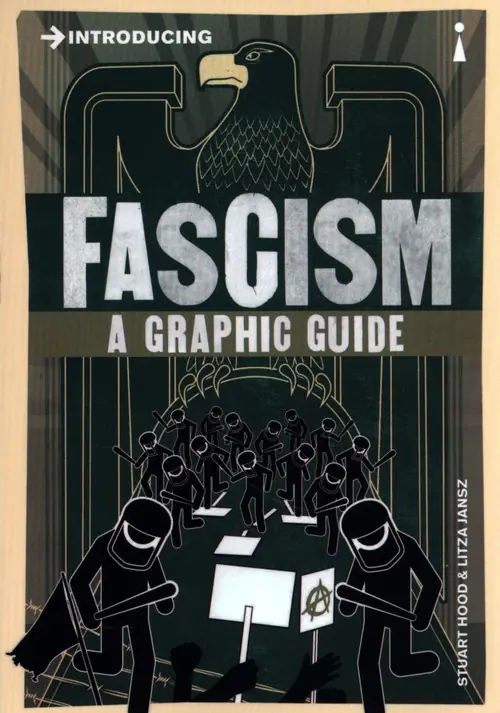
Introducing Fascism
Masz tę lub inne książki?
Sprzedaj je u nas

Did Fascism truly conclude with the Allies' triumph over the Axis in 1945, or has it merely been dormant, now stirring anew in the 21st century? The book "Introducing Fascism" delves into the roots of Fascism, tracing back to 19th-century ultra-conservative traditions and the philosophies of Nietzsche, Wagner, and others, which contributed to making racist ideologies socially acceptable, ultimately culminating in the dreadful rationale of the Holocaust. This work explores the four distinct forms of Fascism that emerged in Italy, Germany, Spain, and Japan following World War I. Furthermore, it extends its focus beyond today's headlines of neo-Nazi aggression, examining the growing political success of far-right movements in Western Europe as well as the surge of extreme nationalism in Eastern Europe and the territories of the former Soviet Union.
Wybierz stan zużycia:
WIĘCEJ O SKALI
Did Fascism truly conclude with the Allies' triumph over the Axis in 1945, or has it merely been dormant, now stirring anew in the 21st century? The book "Introducing Fascism" delves into the roots of Fascism, tracing back to 19th-century ultra-conservative traditions and the philosophies of Nietzsche, Wagner, and others, which contributed to making racist ideologies socially acceptable, ultimately culminating in the dreadful rationale of the Holocaust. This work explores the four distinct forms of Fascism that emerged in Italy, Germany, Spain, and Japan following World War I. Furthermore, it extends its focus beyond today's headlines of neo-Nazi aggression, examining the growing political success of far-right movements in Western Europe as well as the surge of extreme nationalism in Eastern Europe and the territories of the former Soviet Union.
Szczegóły
Inne książki tych autorów

Podobne produkty
Może Ci się spodobać
Inne książki z tej samej kategorii

Napisz opinię o książce i wygraj nagrodę!
W każdym miesiącu wybieramy najlepsze opinie i nagradzamy recenzentów.
Dowiedz się więcejWartość nagród w tym miesiącu
880 zł
Dodaj swoją opinię
Zaloguj się na swoje konto, aby mieć możliwość dodawania opinii.
Czy chcesz zostawić tylko ocenę?
Dodanie samej oceny o książce nie jest brane pod uwagę podczas losowania nagród. By mieć szansę na otrzymanie nagrody musisz napisać opinię o książce.
Już oceniłeś/zrecenzowałeś te książkę w przeszłości.
Możliwe jest dodanie tylko jednej recenzji do każdej z książek.
Sposoby dostawy
Odbiór w punkcie (7)
InPost Paczkomat 24/7

14,99 zł
DPD Pickup Automaty i Punkty Odbioru

11,99 zł





Dostawa na adres (7)
GLS U Ciebie - Kurier

14,99 zł
Kurier DPD

14,99 zł





Sposoby płatności
Płatność z góry
Przedpłata

Zwykły przelew
