Stan książek
Nasze książki są dokładnie sprawdzone i jasno określamy stan każdej z nich.
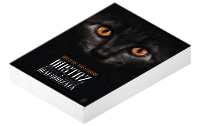

Nowa
Książka nowa.
Używany - jak nowa
Niezauważalne lub prawie niezauważalne ślady używania. Książkę ciężko odróżnić od nowej pozycji.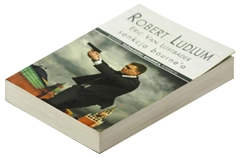
Używany - dobry
Normalne ślady używania wynikające z kartkowania podczas czytania, brak większych uszkodzeń lub zagięć.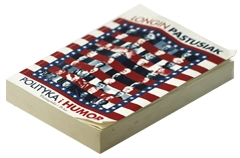
Używany - widoczne ślady użytkowania
zagięte rogi, przyniszczona okładka, książka posiada wszystkie strony.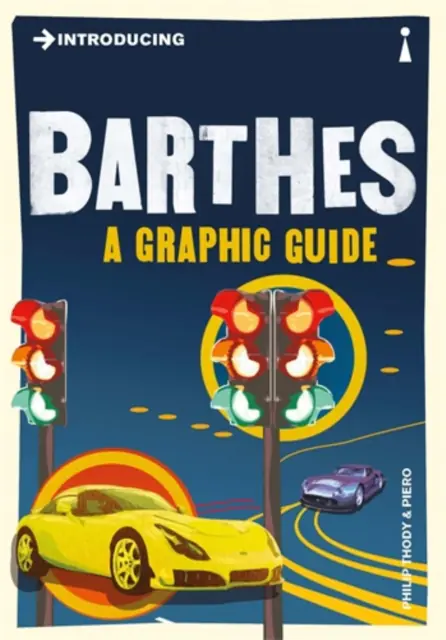
Introducing Barthes
Masz tę lub inne książki?
Sprzedaj je u nas

Introducing a guide to the influential thinker, semiologist, and advertising analyst, Roland Barthes. Renowned for his work in semiotics, Barthes studied the science of signs, focusing on how humans, as communicative beings, express themselves through language, fashion, gestures, hairstyles, and visual imagery. These expressions reveal their preferences, emotions, ideal self-images, and societal values. This guide effectively clarifies Barthes' ideas as they apply to literature, popular culture, and fashion. It highlights how his insights positioned him as a key figure in the 1960s structuralist movement. Furthermore, it outlines how Barthes' later emphasis on pleasure, sexual non-conformity, and the reader's freedom to interpret texts through various ideologies—such as existentialism, Marxism, and Freudianism—adds to his reputation as a dynamic and provocative modern thinker. This book is an excellent companion for those interested in understanding semiotics.
Wybierz stan zużycia:
WIĘCEJ O SKALI
Introducing a guide to the influential thinker, semiologist, and advertising analyst, Roland Barthes. Renowned for his work in semiotics, Barthes studied the science of signs, focusing on how humans, as communicative beings, express themselves through language, fashion, gestures, hairstyles, and visual imagery. These expressions reveal their preferences, emotions, ideal self-images, and societal values. This guide effectively clarifies Barthes' ideas as they apply to literature, popular culture, and fashion. It highlights how his insights positioned him as a key figure in the 1960s structuralist movement. Furthermore, it outlines how Barthes' later emphasis on pleasure, sexual non-conformity, and the reader's freedom to interpret texts through various ideologies—such as existentialism, Marxism, and Freudianism—adds to his reputation as a dynamic and provocative modern thinker. This book is an excellent companion for those interested in understanding semiotics.
Szczegóły
Inne książki: Thody Philip

Podobne produkty
Może Ci się spodobać
Inne książki z tej samej kategorii

Napisz opinię o książce i wygraj nagrodę!
W każdym miesiącu wybieramy najlepsze opinie i nagradzamy recenzentów.
Dowiedz się więcejWartość nagród w tym miesiącu
880 zł
Dodaj swoją opinię
Zaloguj się na swoje konto, aby mieć możliwość dodawania opinii.
Czy chcesz zostawić tylko ocenę?
Dodanie samej oceny o książce nie jest brane pod uwagę podczas losowania nagród. By mieć szansę na otrzymanie nagrody musisz napisać opinię o książce.
Już oceniłeś/zrecenzowałeś te książkę w przeszłości.
Możliwe jest dodanie tylko jednej recenzji do każdej z książek.
Sposoby dostawy
Odbiór w punkcie (7)
InPost Paczkomat 24/7

14,99 zł
DPD Pickup Automaty i Punkty Odbioru

10,49 zł





Dostawa na adres (7)
GLS U Ciebie - Kurier

14,99 zł
Kurier DPD

14,99 zł





Sposoby płatności
Płatność z góry
Przedpłata

Zwykły przelew
