Stan książek
Nasze książki są dokładnie sprawdzone i jasno określamy stan każdej z nich.

Nowa
Książka nowa.
Używany - jak nowa
Niezauważalne lub prawie niezauważalne ślady używania. Książkę ciężko odróżnić od nowej pozycji.
Używany - dobry
Normalne ślady używania wynikające z kartkowania podczas czytania, brak większych uszkodzeń lub zagięć.
Używany - widoczne ślady użytkowania
zagięte rogi, przyniszczona okładka, książka posiada wszystkie strony.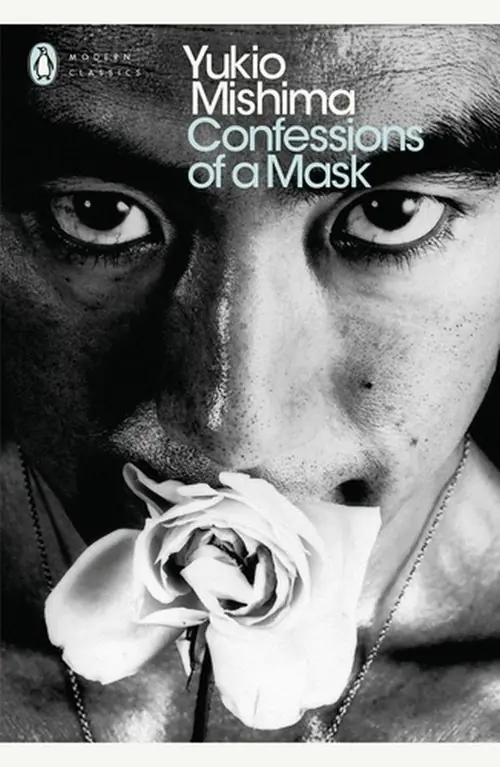
Confessions of a Mask wer. angielska
Masz tę lub inne książki?
Sprzedaj je u nas

In a world where desire feels like a piercing agony, a Japanese teenager grapples with deep feelings for a male classmate. Consumed by these emotions, he envisions himself pierced by arrows, drawing parallels to his fixation on the image of St Sebastian. Night after night, in his private reveries, the objects of his desire are subjected to torment and destruction. However, in the strict context of imperial Japan during wartime, such forbidden desires find no acceptance. The young man feels compelled to conceal his authentic self behind a façade, at any cost.Praised as a striking and incisive piece of art by The Times Literary Supplement, this narrative navigates the complexity of emotion with exceptional clarity. Christopher Isherwood highlights its humor amidst despair, while the Sunday Times notes the work's remarkable absence of self-pity in its confessional tone.
Wybierz stan zużycia:
WIĘCEJ O SKALI
In a world where desire feels like a piercing agony, a Japanese teenager grapples with deep feelings for a male classmate. Consumed by these emotions, he envisions himself pierced by arrows, drawing parallels to his fixation on the image of St Sebastian. Night after night, in his private reveries, the objects of his desire are subjected to torment and destruction. However, in the strict context of imperial Japan during wartime, such forbidden desires find no acceptance. The young man feels compelled to conceal his authentic self behind a façade, at any cost.Praised as a striking and incisive piece of art by The Times Literary Supplement, this narrative navigates the complexity of emotion with exceptional clarity. Christopher Isherwood highlights its humor amidst despair, while the Sunday Times notes the work's remarkable absence of self-pity in its confessional tone.
Szczegóły
Inne książki: Yukio Mishima

Podobne produkty
Może Ci się spodobać
Inne książki z tej samej kategorii

Napisz opinię o książce i wygraj nagrodę!
W każdym miesiącu wybieramy najlepsze opinie i nagradzamy recenzentów.
Dowiedz się więcejWartość nagród w tym miesiącu
880 zł
Dodaj swoją opinię
Zaloguj się na swoje konto, aby mieć możliwość dodawania opinii.
Czy chcesz zostawić tylko ocenę?
Dodanie samej oceny o książce nie jest brane pod uwagę podczas losowania nagród. By mieć szansę na otrzymanie nagrody musisz napisać opinię o książce.
Już oceniłeś/zrecenzowałeś te książkę w przeszłości.
Możliwe jest dodanie tylko jednej recenzji do każdej z książek.
Sposoby dostawy
Odbiór w punkcie (7)
InPost Paczkomat 24/7

14,99 zł
DPD Pickup Automaty i Punkty Odbioru

11,99 zł





Dostawa na adres (7)
GLS U Ciebie - Kurier

14,99 zł
Kurier DPD

14,99 zł





Sposoby płatności
Płatność z góry
Przedpłata

Zwykły przelew
