Stan książek
Nasze książki są dokładnie sprawdzone i jasno określamy stan każdej z nich.
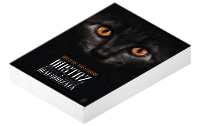

Nowa
Książka nowa.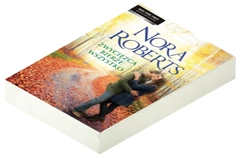
Używany - jak nowa
Niezauważalne lub prawie niezauważalne ślady używania. Książkę ciężko odróżnić od nowej pozycji.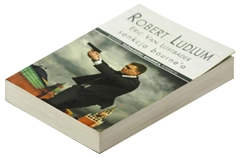
Używany - dobry
Normalne ślady używania wynikające z kartkowania podczas czytania, brak większych uszkodzeń lub zagięć.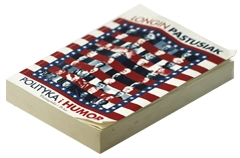
Używany - widoczne ślady użytkowania
zagięte rogi, przyniszczona okładka, książka posiada wszystkie strony.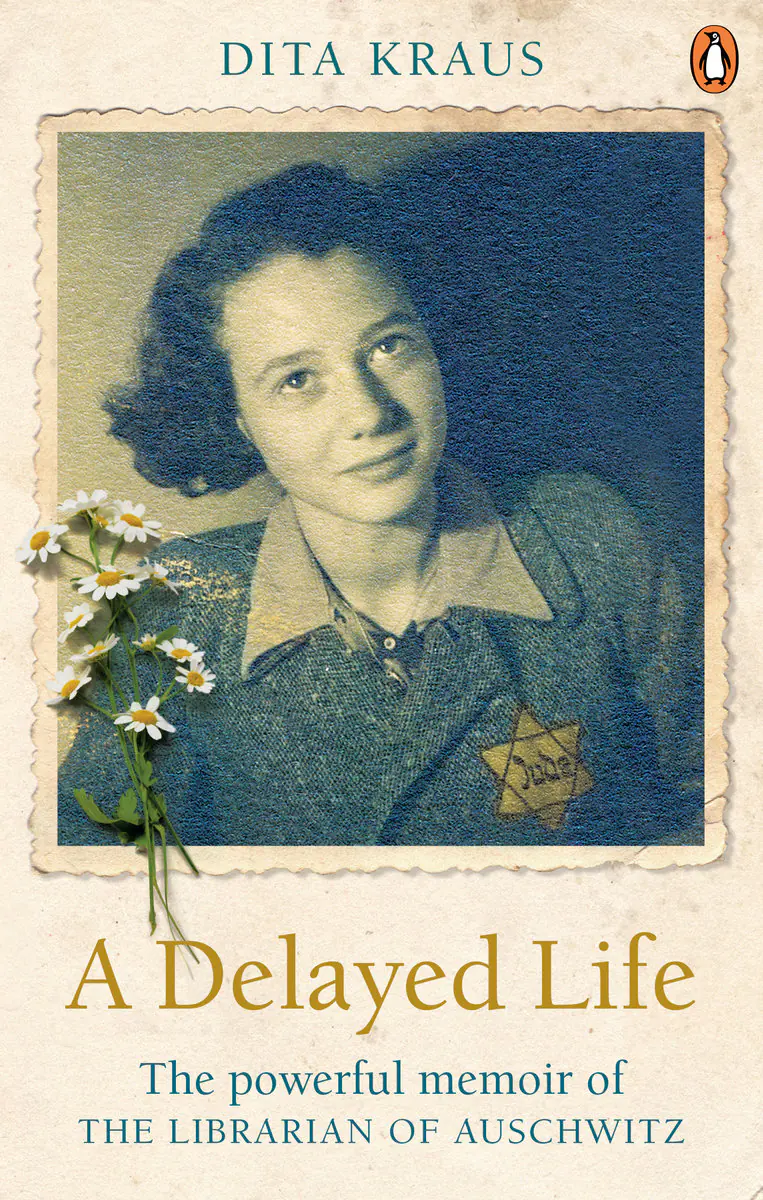
A Delayed Life
Masz tę lub inne książki?
Sprzedaj je u nas

The poignant and powerful memoir of Dita Kraus, the actual Librarian of Auschwitz, offers a deeply moving account of her life experiences. Born in 1929 in Prague to a Jewish family, Dita witnessed some of the most volatile eras of the 20th and early 21st centuries. She shares, with remarkable clarity, the sorrows and small joys of a life profoundly affected by the Holocaust. Dita recounts her early years and childhood friendships in pre-war Prague, the grim reality of the Nazi occupation that led her and her family to the Jewish ghetto in Terezín, and the intense fear and courage she experienced during her time in Auschwitz and Bergen-Belsen. Her narrative continues with the story of her life after liberation. Dita courageously details the harsh realities of camp life and her unique responsibility as the caretaker of smuggled books cherished by her fellow prisoners. Her story extends beyond the Holocaust, as she describes rebuilding her life post-war. She reflects on her marriage to fellow survivor Otto B Kraus, starting anew in Israel, and the bittersweet experiences of motherhood.
Wybierz stan zużycia:
WIĘCEJ O SKALI
The poignant and powerful memoir of Dita Kraus, the actual Librarian of Auschwitz, offers a deeply moving account of her life experiences. Born in 1929 in Prague to a Jewish family, Dita witnessed some of the most volatile eras of the 20th and early 21st centuries. She shares, with remarkable clarity, the sorrows and small joys of a life profoundly affected by the Holocaust. Dita recounts her early years and childhood friendships in pre-war Prague, the grim reality of the Nazi occupation that led her and her family to the Jewish ghetto in Terezín, and the intense fear and courage she experienced during her time in Auschwitz and Bergen-Belsen. Her narrative continues with the story of her life after liberation. Dita courageously details the harsh realities of camp life and her unique responsibility as the caretaker of smuggled books cherished by her fellow prisoners. Her story extends beyond the Holocaust, as she describes rebuilding her life post-war. She reflects on her marriage to fellow survivor Otto B Kraus, starting anew in Israel, and the bittersweet experiences of motherhood.
Szczegóły
Inne książki: Dita Kraus

Podobne produkty
Może Ci się spodobać
Inne książki z tej samej kategorii

Napisz opinię o książce i wygraj nagrodę!
W każdym miesiącu wybieramy najlepsze opinie i nagradzamy recenzentów.
Dowiedz się więcejWartość nagród w tym miesiącu
880 zł
Dodaj swoją opinię
Zaloguj się na swoje konto, aby mieć możliwość dodawania opinii.
Czy chcesz zostawić tylko ocenę?
Dodanie samej oceny o książce nie jest brane pod uwagę podczas losowania nagród. By mieć szansę na otrzymanie nagrody musisz napisać opinię o książce.
Już oceniłeś/zrecenzowałeś te książkę w przeszłości.
Możliwe jest dodanie tylko jednej recenzji do każdej z książek.
Sposoby dostawy
Odbiór w punkcie (7)
InPost Paczkomat 24/7

14,99 zł
DPD Pickup Automaty i Punkty Odbioru

11,99 zł





Dostawa na adres (7)
GLS U Ciebie - Kurier

14,99 zł
Kurier DPD

14,99 zł





Sposoby płatności
Płatność z góry
Przedpłata

Zwykły przelew
