Stan książek
Nasze książki są dokładnie sprawdzone i jasno określamy stan każdej z nich.

Nowa
Książka nowa.
Używany - jak nowa
Niezauważalne lub prawie niezauważalne ślady używania. Książkę ciężko odróżnić od nowej pozycji.
Używany - dobry
Normalne ślady używania wynikające z kartkowania podczas czytania, brak większych uszkodzeń lub zagięć.
Używany - widoczne ślady użytkowania
zagięte rogi, przyniszczona okładka, książka posiada wszystkie strony.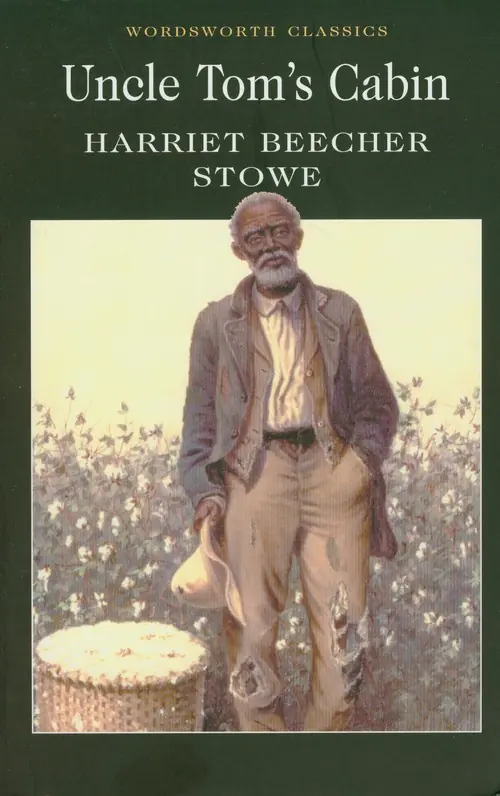
Uncle Tom's Cabin
Masz tę lub inne książki?
Sprzedaj je u nas

"Uncle Tom's Cabin," penned by an American author, stands as a highly popular, influential, and contentious piece of literature. Through a vivid and comprehensive narrative, Stowe effectively portrays the idea that all of America bears a collective guilt and responsibility for the moral sin of slavery. It fervently asserts that only through 'repentance, justice, and mercy' can the nation avert 'the wrath of Almighty God.'The novel significantly fueled the abolitionist movement, to the extent that President Lincoln reputedly referred to Stowe as the 'little lady' who ignited the great Civil War. As Keith Carabine points out in his engaging and thought-provoking introduction, the book sparked immediate and conflicting reactions from a diverse array of readers—from the North and South, as well as from moderate and radical abolitionist factions, black communities, and women. These discussions touched upon themes of literary form, political and religious ideologies, race, and gender, issues that remain relevant as they mirror the complexities and divisions observed among modern audiences and critics.
Wybierz stan zużycia:
WIĘCEJ O SKALI
"Uncle Tom's Cabin," penned by an American author, stands as a highly popular, influential, and contentious piece of literature. Through a vivid and comprehensive narrative, Stowe effectively portrays the idea that all of America bears a collective guilt and responsibility for the moral sin of slavery. It fervently asserts that only through 'repentance, justice, and mercy' can the nation avert 'the wrath of Almighty God.'The novel significantly fueled the abolitionist movement, to the extent that President Lincoln reputedly referred to Stowe as the 'little lady' who ignited the great Civil War. As Keith Carabine points out in his engaging and thought-provoking introduction, the book sparked immediate and conflicting reactions from a diverse array of readers—from the North and South, as well as from moderate and radical abolitionist factions, black communities, and women. These discussions touched upon themes of literary form, political and religious ideologies, race, and gender, issues that remain relevant as they mirror the complexities and divisions observed among modern audiences and critics.
Szczegóły
Inne książki: Harriet Beecher Stowe

Podobne produkty
Może Ci się spodobać
Inne książki z tej samej kategorii

Napisz opinię o książce i wygraj nagrodę!
W każdym miesiącu wybieramy najlepsze opinie i nagradzamy recenzentów.
Dowiedz się więcejWartość nagród w tym miesiącu
880 zł
Dodaj swoją opinię
Zaloguj się na swoje konto, aby mieć możliwość dodawania opinii.
Czy chcesz zostawić tylko ocenę?
Dodanie samej oceny o książce nie jest brane pod uwagę podczas losowania nagród. By mieć szansę na otrzymanie nagrody musisz napisać opinię o książce.
Już oceniłeś/zrecenzowałeś te książkę w przeszłości.
Możliwe jest dodanie tylko jednej recenzji do każdej z książek.
Sposoby dostawy
Odbiór w punkcie (7)
InPost Paczkomat 24/7

14,99 zł
DPD Pickup Automaty i Punkty Odbioru

11,99 zł





Dostawa na adres (7)
GLS U Ciebie - Kurier

14,99 zł
Kurier DPD

14,99 zł





Sposoby płatności
Płatność z góry
Przedpłata

Zwykły przelew
