Stan książek
Nasze książki są dokładnie sprawdzone i jasno określamy stan każdej z nich.


Nowa
Książka nowa.
Używany - jak nowa
Niezauważalne lub prawie niezauważalne ślady używania. Książkę ciężko odróżnić od nowej pozycji.
Używany - dobry
Normalne ślady używania wynikające z kartkowania podczas czytania, brak większych uszkodzeń lub zagięć.
Używany - widoczne ślady użytkowania
zagięte rogi, przyniszczona okładka, książka posiada wszystkie strony.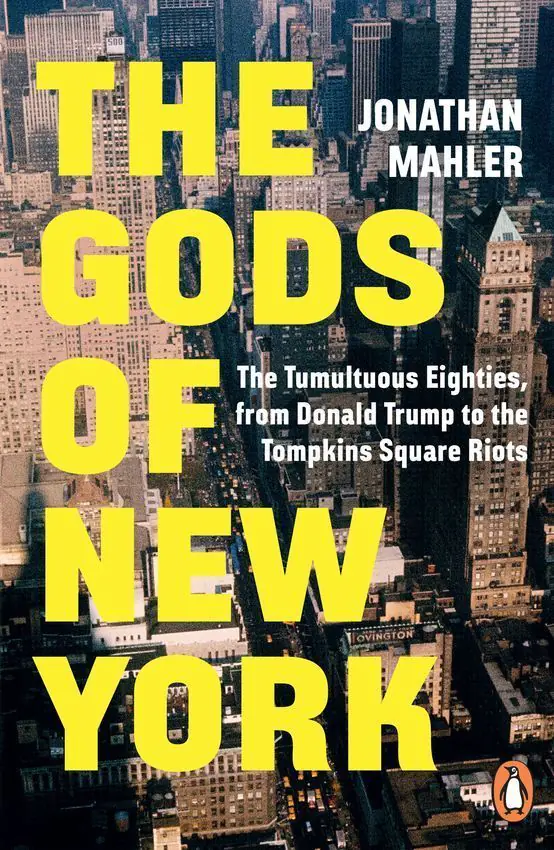
The Gods of New York
Masz tę lub inne książki?
Sprzedaj je u nas

As 1986 began, New York City emerged revitalized, buoyed by Wall Street's record profits that revitalized Manhattan. However, this renaissance was marked by stark socio-economic divides. A significant portion of the city’s Black and Hispanic communities lived in poverty, with many residents struggling with homelessness, drug addiction, AIDS, or mental illness. The disappearance of manufacturing jobs eroded the middle class, fueling racial tensions that had long been simmering. Over the ensuing four years, a series of pivotal events and prominent figures would exacerbate these divides. Key personalities included Ed Koch, Donald Trump, and Al Sharpton, with notable incidents involving the Central Park Five, Howard Beach, and Tawana Brawley. Cultural phenomena like Spike Lee’s "Do the Right Thing" and economic events like Black Monday also played crucial roles. Jonathan Mahler's book, "The Gods of New York," delves into these tumultuous years, painting a vibrant and detailed picture of a city in flux. It explores the tension between maintaining New York's identity as a bastion of diverse working-class unity and its evolution into a global financial powerhouse. By the end of 1989, New York City had transformed significantly from its 1986 incarnation, grappling with its identity amidst rapid changes. Mahler's narrative captures this shift, illustrating the complex journey of the city during these transformative years.
Wybierz stan zużycia:
WIĘCEJ O SKALI
As 1986 began, New York City emerged revitalized, buoyed by Wall Street's record profits that revitalized Manhattan. However, this renaissance was marked by stark socio-economic divides. A significant portion of the city’s Black and Hispanic communities lived in poverty, with many residents struggling with homelessness, drug addiction, AIDS, or mental illness. The disappearance of manufacturing jobs eroded the middle class, fueling racial tensions that had long been simmering. Over the ensuing four years, a series of pivotal events and prominent figures would exacerbate these divides. Key personalities included Ed Koch, Donald Trump, and Al Sharpton, with notable incidents involving the Central Park Five, Howard Beach, and Tawana Brawley. Cultural phenomena like Spike Lee’s "Do the Right Thing" and economic events like Black Monday also played crucial roles. Jonathan Mahler's book, "The Gods of New York," delves into these tumultuous years, painting a vibrant and detailed picture of a city in flux. It explores the tension between maintaining New York's identity as a bastion of diverse working-class unity and its evolution into a global financial powerhouse. By the end of 1989, New York City had transformed significantly from its 1986 incarnation, grappling with its identity amidst rapid changes. Mahler's narrative captures this shift, illustrating the complex journey of the city during these transformative years.
Szczegóły
Inne książki: Jonathan Mahler

Podobne produkty
Może Ci się spodobać
Inne książki z tej samej kategorii

Napisz opinię o książce i wygraj nagrodę!
W każdym miesiącu wybieramy najlepsze opinie i nagradzamy recenzentów.
Dowiedz się więcejWartość nagród w tym miesiącu
880 zł
Dodaj swoją opinię
Zaloguj się na swoje konto, aby mieć możliwość dodawania opinii.
Czy chcesz zostawić tylko ocenę?
Dodanie samej oceny o książce nie jest brane pod uwagę podczas losowania nagród. By mieć szansę na otrzymanie nagrody musisz napisać opinię o książce.
Już oceniłeś/zrecenzowałeś te książkę w przeszłości.
Możliwe jest dodanie tylko jednej recenzji do każdej z książek.
Sposoby dostawy
Odbiór w punkcie (7)
InPost Paczkomat 24/7

14,99 zł
DPD Pickup Automaty i Punkty Odbioru

11,99 zł





Dostawa na adres (7)
GLS U Ciebie - Kurier

14,99 zł
Kurier DPD

14,99 zł





Sposoby płatności
Płatność z góry
Przedpłata

Zwykły przelew
