Stan książek
Nasze książki są dokładnie sprawdzone i jasno określamy stan każdej z nich.


Nowa
Książka nowa.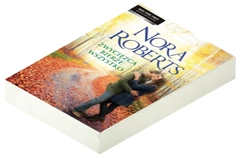
Używany - jak nowa
Niezauważalne lub prawie niezauważalne ślady używania. Książkę ciężko odróżnić od nowej pozycji.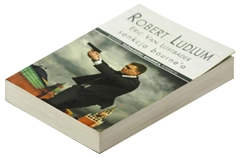
Używany - dobry
Normalne ślady używania wynikające z kartkowania podczas czytania, brak większych uszkodzeń lub zagięć.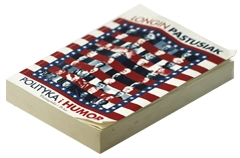
Używany - widoczne ślady użytkowania
zagięte rogi, przyniszczona okładka, książka posiada wszystkie strony.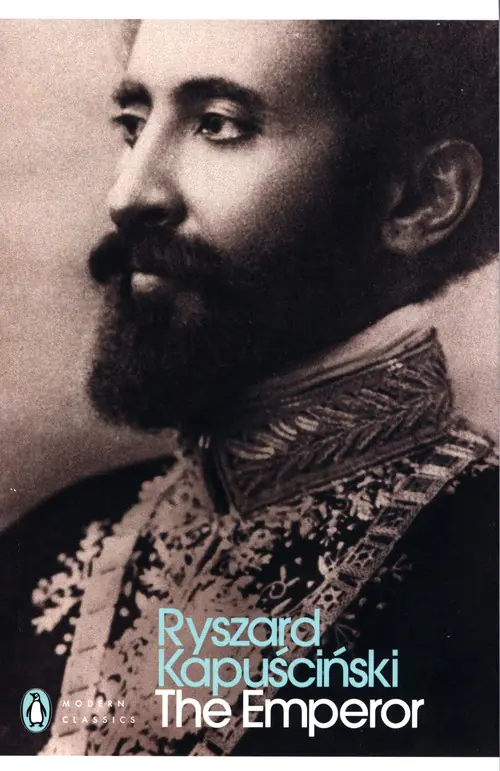
The Emperor
Masz tę lub inne książki?
Sprzedaj je u nas

The Penguin Modern Classics edition of "The Emperor" by Ryszard Kapuscinski is skillfully translated by William R. Brand and Katarzyna Mroczkowska-Brand, with a thoughtful introduction by Neal Ascherton. After the downfall of Haile Selassie in 1974, which marked the end of Ethiopia's ancient Abyssinian monarchy, Kapuscinski journeyed to the country to capture the narratives of the surviving courtiers. Through their sophisticated and often ironic accounts, a vivid picture emerges of the extravagant and corrupt world they inhabited, revealing the complex rituals, rigid hierarchies, and court intrigues. These voices recount the unwavering power held by a ruler over his destitute populace and detail the inevitable collapse of his reign as the Ethiopian military closes in, mysterious omens grace the skies, and courtiers disappear, leaving only the Emperor and his valet in an abandoned palace awaiting their destiny. "The Emperor" is a gripping and evocative piece of literary reportage, serving as a poignant farewell to the last vestiges of a fading regime. Ryszard Kapuscinski, born in 1932 in Pinsk (now part of Belarus), was celebrated as a leading figure in Polish reportage. His masterpiece, "The Emperor," is renowned worldwide, having been translated into numerous languages, chronicling the decline of Haile Selassie's outdated rule in Ethiopia.
Wybierz stan zużycia:
WIĘCEJ O SKALI
The Penguin Modern Classics edition of "The Emperor" by Ryszard Kapuscinski is skillfully translated by William R. Brand and Katarzyna Mroczkowska-Brand, with a thoughtful introduction by Neal Ascherton. After the downfall of Haile Selassie in 1974, which marked the end of Ethiopia's ancient Abyssinian monarchy, Kapuscinski journeyed to the country to capture the narratives of the surviving courtiers. Through their sophisticated and often ironic accounts, a vivid picture emerges of the extravagant and corrupt world they inhabited, revealing the complex rituals, rigid hierarchies, and court intrigues. These voices recount the unwavering power held by a ruler over his destitute populace and detail the inevitable collapse of his reign as the Ethiopian military closes in, mysterious omens grace the skies, and courtiers disappear, leaving only the Emperor and his valet in an abandoned palace awaiting their destiny. "The Emperor" is a gripping and evocative piece of literary reportage, serving as a poignant farewell to the last vestiges of a fading regime. Ryszard Kapuscinski, born in 1932 in Pinsk (now part of Belarus), was celebrated as a leading figure in Polish reportage. His masterpiece, "The Emperor," is renowned worldwide, having been translated into numerous languages, chronicling the decline of Haile Selassie's outdated rule in Ethiopia.
Szczegóły
Inne książki: Ryszard Kapuściński

Podobne produkty
Może Ci się spodobać
Inne książki z tej samej kategorii

Napisz opinię o książce i wygraj nagrodę!
W każdym miesiącu wybieramy najlepsze opinie i nagradzamy recenzentów.
Dowiedz się więcejWartość nagród w tym miesiącu
880 zł
Dodaj swoją opinię
Zaloguj się na swoje konto, aby mieć możliwość dodawania opinii.
Czy chcesz zostawić tylko ocenę?
Dodanie samej oceny o książce nie jest brane pod uwagę podczas losowania nagród. By mieć szansę na otrzymanie nagrody musisz napisać opinię o książce.
Już oceniłeś/zrecenzowałeś te książkę w przeszłości.
Możliwe jest dodanie tylko jednej recenzji do każdej z książek.
Sposoby dostawy
Odbiór w punkcie (7)
InPost Paczkomat 24/7

14,99 zł
DPD Pickup Automaty i Punkty Odbioru

11,99 zł





Dostawa na adres (7)
GLS U Ciebie - Kurier

14,99 zł
Kurier DPD

14,99 zł





Sposoby płatności
Płatność z góry
Przedpłata

Zwykły przelew
