Stan książek
Nasze książki są dokładnie sprawdzone i jasno określamy stan każdej z nich.
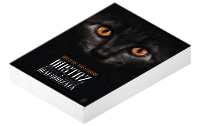

Nowa
Książka nowa.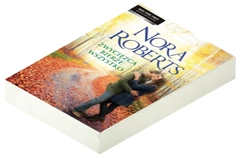
Używany - jak nowa
Niezauważalne lub prawie niezauważalne ślady używania. Książkę ciężko odróżnić od nowej pozycji.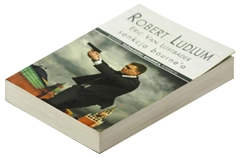
Używany - dobry
Normalne ślady używania wynikające z kartkowania podczas czytania, brak większych uszkodzeń lub zagięć.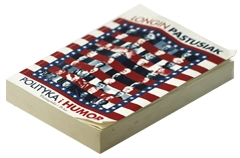
Używany - widoczne ślady użytkowania
zagięte rogi, przyniszczona okładka, książka posiada wszystkie strony.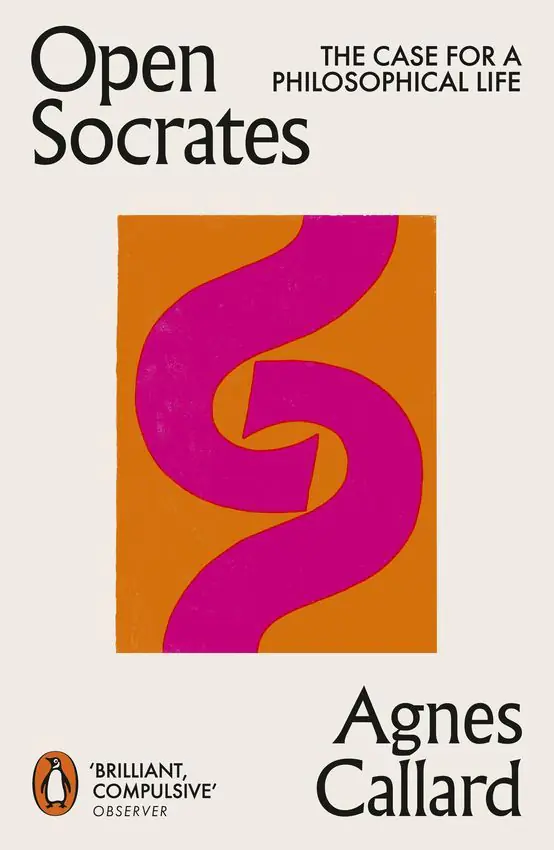
Open Socrates
Masz tę lub inne książki?
Sprzedaj je u nas

The ancient Greek philosopher Socrates is often considered a pivotal figure in Western thought, yet he remains elusive in our understanding. His assertion that "the unexamined life is not worth living" may have lost its initial impact, not because we've mastered self-examination, but because we misunderstand the depths of what the Socratic method truly requires. Renowned philosopher Agnes Callard delves into Socratic philosophy in her work, "Open Socrates," offering insights unrivaled by contemporary scholars. Socrates recognized that fundamental questions often appear resolved before we even consider them, influenced by our physical desires or societal pressures. Callard suggests that questioning what seems resolved is possible, but requires collaboration. She proposes that the essence of the Socratic method is to explore the potential of human interaction—not merely for survival or pleasure, but as a means to interrogate our beliefs and refine our answers. How should we approach romantic relationships? What perspective should we take on mortality? What should our political systems embody? These questions were as challenging during Socrates' era as they are today. Callard illustrates how Socrates' approach can help us find meaningful answers, offering a renewed ethical framework with which to navigate life.
Wybierz stan zużycia:
WIĘCEJ O SKALI
The ancient Greek philosopher Socrates is often considered a pivotal figure in Western thought, yet he remains elusive in our understanding. His assertion that "the unexamined life is not worth living" may have lost its initial impact, not because we've mastered self-examination, but because we misunderstand the depths of what the Socratic method truly requires. Renowned philosopher Agnes Callard delves into Socratic philosophy in her work, "Open Socrates," offering insights unrivaled by contemporary scholars. Socrates recognized that fundamental questions often appear resolved before we even consider them, influenced by our physical desires or societal pressures. Callard suggests that questioning what seems resolved is possible, but requires collaboration. She proposes that the essence of the Socratic method is to explore the potential of human interaction—not merely for survival or pleasure, but as a means to interrogate our beliefs and refine our answers. How should we approach romantic relationships? What perspective should we take on mortality? What should our political systems embody? These questions were as challenging during Socrates' era as they are today. Callard illustrates how Socrates' approach can help us find meaningful answers, offering a renewed ethical framework with which to navigate life.
Szczegóły
Inne książki: Callard Agnes

Podobne produkty
Może Ci się spodobać
Inne książki z tej samej kategorii

Napisz opinię o książce i wygraj nagrodę!
W każdym miesiącu wybieramy najlepsze opinie i nagradzamy recenzentów.
Dowiedz się więcejWartość nagród w tym miesiącu
880 zł
Dodaj swoją opinię
Zaloguj się na swoje konto, aby mieć możliwość dodawania opinii.
Czy chcesz zostawić tylko ocenę?
Dodanie samej oceny o książce nie jest brane pod uwagę podczas losowania nagród. By mieć szansę na otrzymanie nagrody musisz napisać opinię o książce.
Już oceniłeś/zrecenzowałeś te książkę w przeszłości.
Możliwe jest dodanie tylko jednej recenzji do każdej z książek.
Sposoby dostawy
Odbiór w punkcie (7)
InPost Paczkomat 24/7

14,99 zł
DPD Pickup Automaty i Punkty Odbioru

11,99 zł




Dostawa na adres (7)
GLS U Ciebie - Kurier
14,99 zł
Kurier DPD

14,99 zł





Sposoby płatności
Płatność z góry
Przedpłata

Zwykły przelew
