Stan książek
Nasze książki są dokładnie sprawdzone i jasno określamy stan każdej z nich.
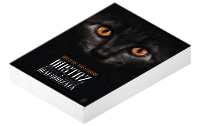

Nowa
Książka nowa.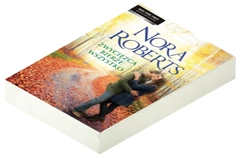
Używany - jak nowa
Niezauważalne lub prawie niezauważalne ślady używania. Książkę ciężko odróżnić od nowej pozycji.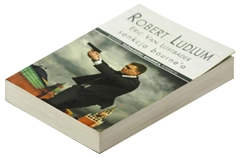
Używany - dobry
Normalne ślady używania wynikające z kartkowania podczas czytania, brak większych uszkodzeń lub zagięć.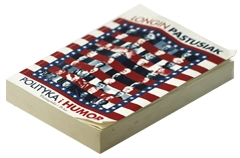
Używany - widoczne ślady użytkowania
zagięte rogi, przyniszczona okładka, książka posiada wszystkie strony.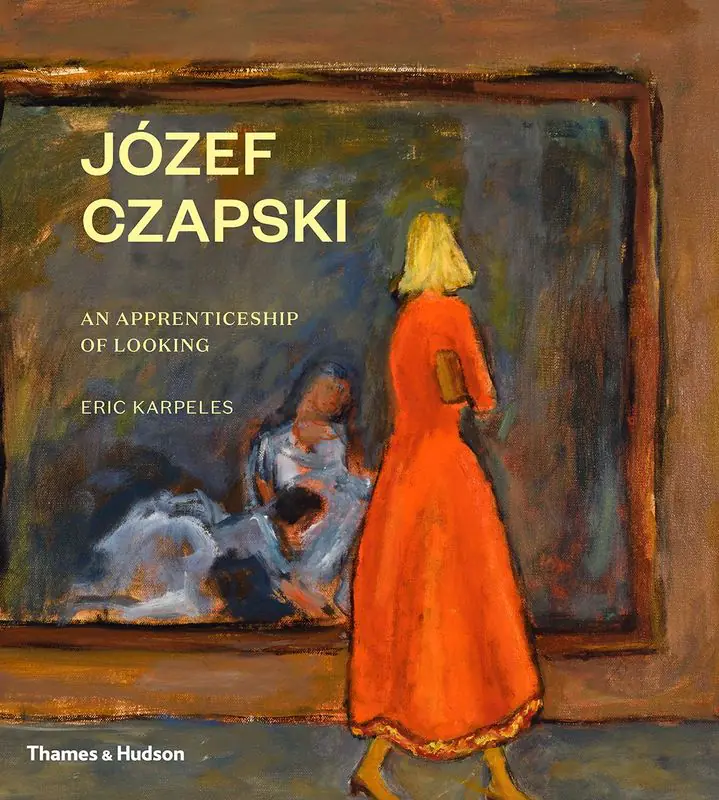
Józef Czapski
Masz tę lub inne książki?
Sprzedaj je u nas

Eric Karpeles, a painter and art critic from California, has sparked global interest in the works of Polish artist Józef Czapski, according to the Wall Street Journal. This captivating monograph offers a much-needed critical evaluation of Czapski, whose art is gaining fresh recognition. Karpeles illustrates how art was inseparable from Czapski's perception and existence, becoming a natural part of his life. Having lived to the age of 97, Czapski produced artworks spanning nearly every decade of the 20th century, excluding only the first. During this era of upheaval, he found solace and redemption in painting. Known for his prolific output, Czapski also meticulously documented his experiences through pencil, ink, and watercolor in his journals. While abstract art was prevalent, Czapski chose to focus on the world around him, capturing everyday life and people. His most striking pieces often feature theater patrons and art enthusiasts, emphasizing their engagement with the act of looking. This description is provided by the publisher.
Wybierz stan zużycia:
WIĘCEJ O SKALI
Eric Karpeles, a painter and art critic from California, has sparked global interest in the works of Polish artist Józef Czapski, according to the Wall Street Journal. This captivating monograph offers a much-needed critical evaluation of Czapski, whose art is gaining fresh recognition. Karpeles illustrates how art was inseparable from Czapski's perception and existence, becoming a natural part of his life. Having lived to the age of 97, Czapski produced artworks spanning nearly every decade of the 20th century, excluding only the first. During this era of upheaval, he found solace and redemption in painting. Known for his prolific output, Czapski also meticulously documented his experiences through pencil, ink, and watercolor in his journals. While abstract art was prevalent, Czapski chose to focus on the world around him, capturing everyday life and people. His most striking pieces often feature theater patrons and art enthusiasts, emphasizing their engagement with the act of looking. This description is provided by the publisher.
Szczegóły
Inne książki tych autorów

Podobne produkty
Może Ci się spodobać
Inne książki z tej samej kategorii

Napisz opinię o książce i wygraj nagrodę!
W każdym miesiącu wybieramy najlepsze opinie i nagradzamy recenzentów.
Dowiedz się więcejWartość nagród w tym miesiącu
880 zł
Dodaj swoją opinię
Zaloguj się na swoje konto, aby mieć możliwość dodawania opinii.
Czy chcesz zostawić tylko ocenę?
Dodanie samej oceny o książce nie jest brane pod uwagę podczas losowania nagród. By mieć szansę na otrzymanie nagrody musisz napisać opinię o książce.
Już oceniłeś/zrecenzowałeś te książkę w przeszłości.
Możliwe jest dodanie tylko jednej recenzji do każdej z książek.
Sposoby dostawy
Odbiór w punkcie (7)
InPost Paczkomat 24/7

14,99 zł
DPD Pickup Automaty i Punkty Odbioru

11,99 zł





Dostawa na adres (7)
GLS U Ciebie - Kurier

14,99 zł
Kurier DPD

14,99 zł





Sposoby płatności
Płatność z góry
Przedpłata

Zwykły przelew
