Stan książek
Nasze książki są dokładnie sprawdzone i jasno określamy stan każdej z nich.


Nowa
Książka nowa.
Używany - jak nowa
Niezauważalne lub prawie niezauważalne ślady używania. Książkę ciężko odróżnić od nowej pozycji.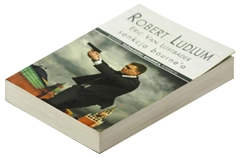
Używany - dobry
Normalne ślady używania wynikające z kartkowania podczas czytania, brak większych uszkodzeń lub zagięć.
Używany - widoczne ślady użytkowania
zagięte rogi, przyniszczona okładka, książka posiada wszystkie strony.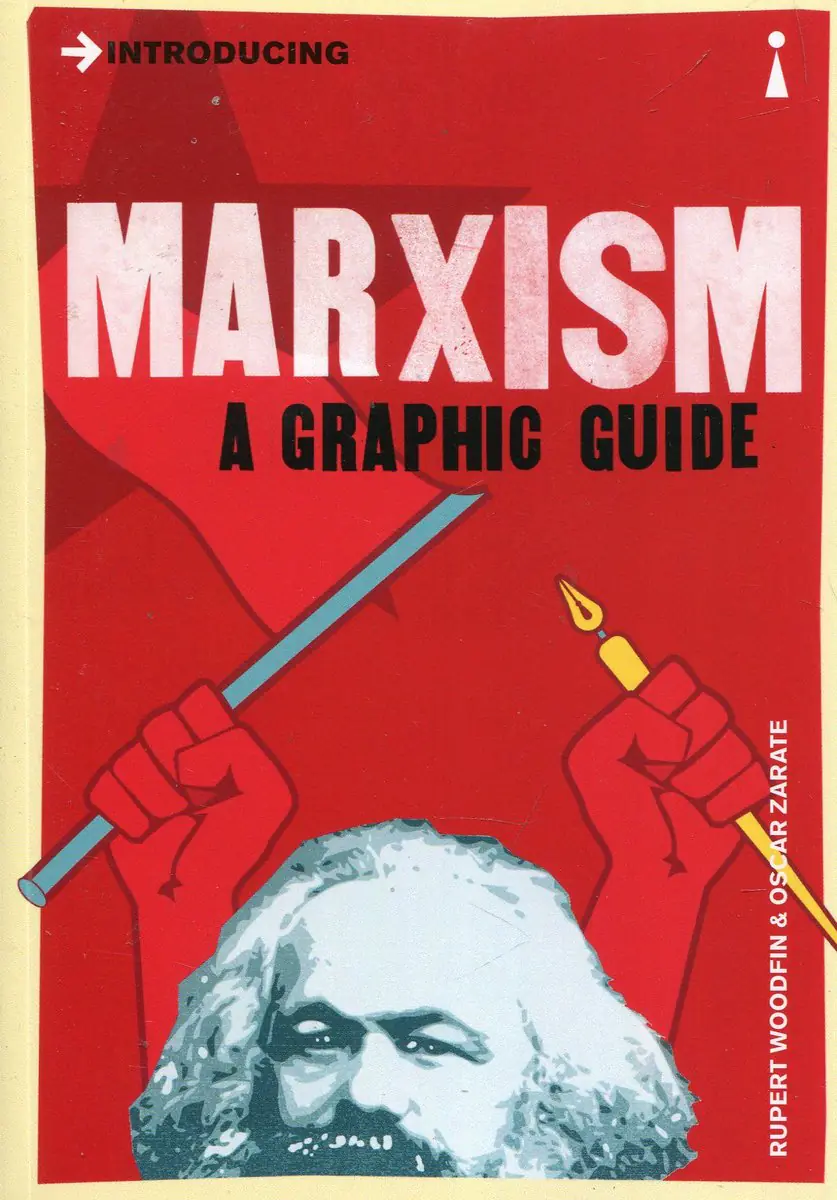
Introducing Marxism
Masz tę lub inne książki?
Sprzedaj je u nas

Were Marx's own views truly aligned with what we now call "Marxism"? Did the oppressive regimes that emerged under the guise of Marxism truly reflect his visions of socialism, or were his ideas distorted to fit totalitarian agendas? "Introducing Marxism" delves into these compelling questions, offering a comprehensive exploration of Karl Marx’s original philosophical ideas. It examines the 19th-century European ideological landscape that shaped Marx's impactful critiques of capitalism, which later inspired transformative revolutions throughout the 20th century.The book explores how Marxism was adopted and adapted by key figures such as Lenin, Trotsky, and Stalin, who developed a strict and often brutal interpretation of Communist ideology. It contrasts this with other interpretations, notably Gramsci's perspectives, the critical theories from the Frankfurt School, and the structuralist approach of Althusser from the 1960s. Additionally, the narrative considers the evolution of Marxist thought into postmodern and post-Marxist interpretations, highlighting Derrida’s philosophical engagement with Fukuyama’s theory of the ‘end of history’.
Wybierz stan zużycia:
WIĘCEJ O SKALI
Were Marx's own views truly aligned with what we now call "Marxism"? Did the oppressive regimes that emerged under the guise of Marxism truly reflect his visions of socialism, or were his ideas distorted to fit totalitarian agendas? "Introducing Marxism" delves into these compelling questions, offering a comprehensive exploration of Karl Marx’s original philosophical ideas. It examines the 19th-century European ideological landscape that shaped Marx's impactful critiques of capitalism, which later inspired transformative revolutions throughout the 20th century.The book explores how Marxism was adopted and adapted by key figures such as Lenin, Trotsky, and Stalin, who developed a strict and often brutal interpretation of Communist ideology. It contrasts this with other interpretations, notably Gramsci's perspectives, the critical theories from the Frankfurt School, and the structuralist approach of Althusser from the 1960s. Additionally, the narrative considers the evolution of Marxist thought into postmodern and post-Marxist interpretations, highlighting Derrida’s philosophical engagement with Fukuyama’s theory of the ‘end of history’.
Szczegóły
Inne książki tych autorów

Podobne produkty
Może Ci się spodobać
Inne książki z tej samej kategorii

Napisz opinię o książce i wygraj nagrodę!
W każdym miesiącu wybieramy najlepsze opinie i nagradzamy recenzentów.
Dowiedz się więcejWartość nagród w tym miesiącu
880 zł
Dodaj swoją opinię
Zaloguj się na swoje konto, aby mieć możliwość dodawania opinii.
Czy chcesz zostawić tylko ocenę?
Dodanie samej oceny o książce nie jest brane pod uwagę podczas losowania nagród. By mieć szansę na otrzymanie nagrody musisz napisać opinię o książce.
Już oceniłeś/zrecenzowałeś te książkę w przeszłości.
Możliwe jest dodanie tylko jednej recenzji do każdej z książek.
Sposoby dostawy
Odbiór w punkcie (7)
InPost Paczkomat 24/7

14,99 zł
DPD Pickup Automaty i Punkty Odbioru

10,49 zł





Dostawa na adres (7)
GLS U Ciebie - Kurier

14,99 zł
Kurier DPD

14,99 zł





Sposoby płatności
Płatność z góry
Przedpłata

Zwykły przelew
