Stan książek
Nasze książki są dokładnie sprawdzone i jasno określamy stan każdej z nich.


Nowa
Książka nowa.
Używany - jak nowa
Niezauważalne lub prawie niezauważalne ślady używania. Książkę ciężko odróżnić od nowej pozycji.
Używany - dobry
Normalne ślady używania wynikające z kartkowania podczas czytania, brak większych uszkodzeń lub zagięć.
Używany - widoczne ślady użytkowania
zagięte rogi, przyniszczona okładka, książka posiada wszystkie strony.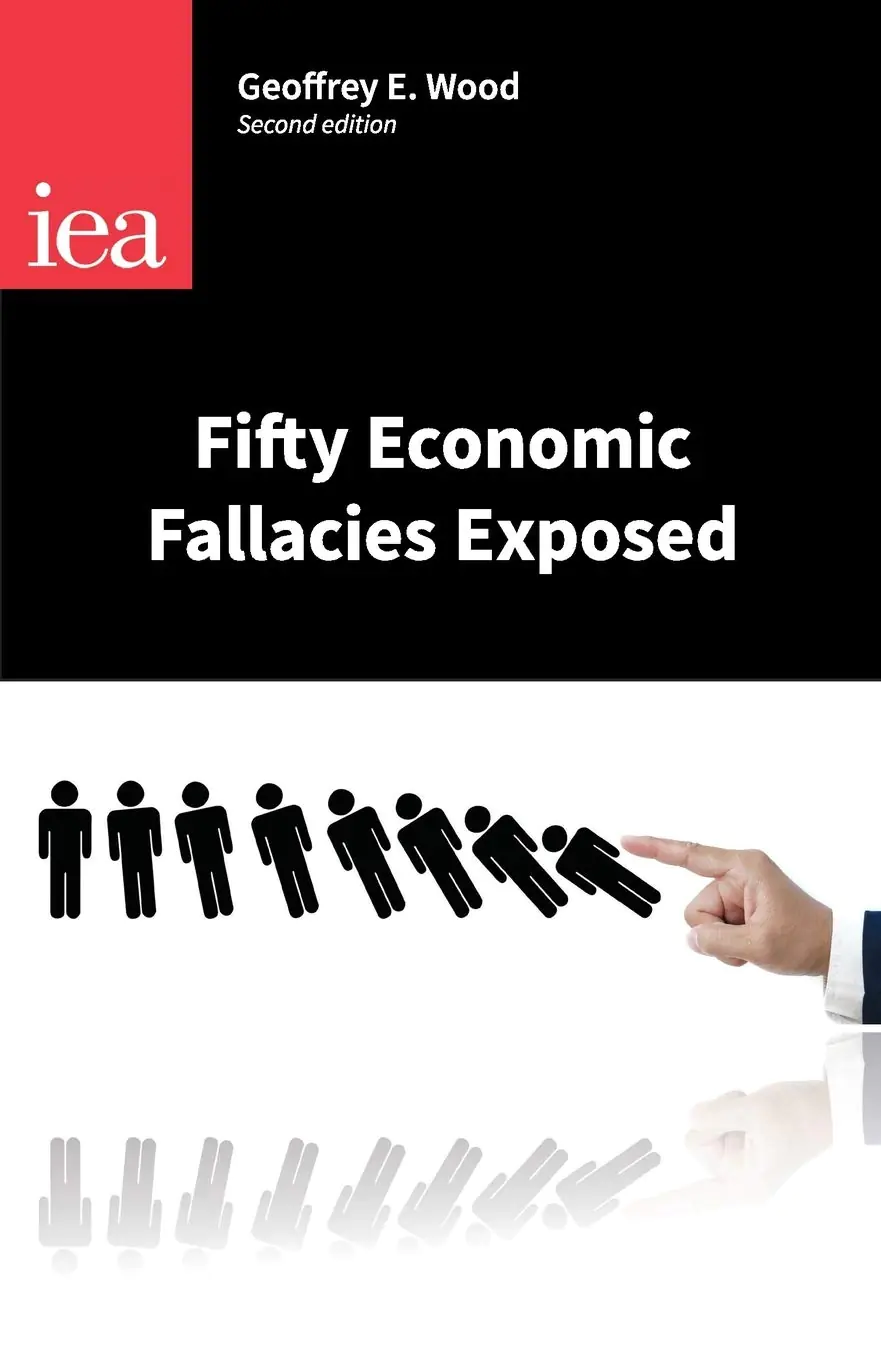
Geoffrey E Wood Fifty Economic Fallacies Expose
Masz tę lub inne książki?
Sprzedaj je u nas

While asserting that the Earth is flat invites ridicule, misconceptions in economics remain widespread. Such misconceptions infiltrate both intellectual discussions and policy-making. In the updated version of Fifty Economic Fallacies Exposed, Professor Geoffrey Wood from the University of Buckingham sheds light on common economic misunderstandings. He delves into topics like the alleged threats posed by free trade, the capability of governments to manage the economy effectively, the impact of regulations, and whether our participation in the European Union is crucial for millions of jobs. These clear and engaging articles are particularly beneficial for students who are navigating the complexities of economic theory and its practical applications. Often, witnessing these fallacies debunked is the most productive method for comprehending economic analysis. This text is especially fitting for first-year economics students, as it complements conventional textbooks by clarifying basic economic concepts and showcasing the real-world applications of economic theory.
Wybierz stan zużycia:
WIĘCEJ O SKALI
While asserting that the Earth is flat invites ridicule, misconceptions in economics remain widespread. Such misconceptions infiltrate both intellectual discussions and policy-making. In the updated version of Fifty Economic Fallacies Exposed, Professor Geoffrey Wood from the University of Buckingham sheds light on common economic misunderstandings. He delves into topics like the alleged threats posed by free trade, the capability of governments to manage the economy effectively, the impact of regulations, and whether our participation in the European Union is crucial for millions of jobs. These clear and engaging articles are particularly beneficial for students who are navigating the complexities of economic theory and its practical applications. Often, witnessing these fallacies debunked is the most productive method for comprehending economic analysis. This text is especially fitting for first-year economics students, as it complements conventional textbooks by clarifying basic economic concepts and showcasing the real-world applications of economic theory.
Szczegóły
Inne książki: Geoffrey E. Wood

Podobne produkty
Może Ci się spodobać
Inne książki z tej samej kategorii

Napisz opinię o książce i wygraj nagrodę!
W każdym miesiącu wybieramy najlepsze opinie i nagradzamy recenzentów.
Dowiedz się więcejWartość nagród w tym miesiącu
880 zł
Dodaj swoją opinię
Zaloguj się na swoje konto, aby mieć możliwość dodawania opinii.
Czy chcesz zostawić tylko ocenę?
Dodanie samej oceny o książce nie jest brane pod uwagę podczas losowania nagród. By mieć szansę na otrzymanie nagrody musisz napisać opinię o książce.
Już oceniłeś/zrecenzowałeś te książkę w przeszłości.
Możliwe jest dodanie tylko jednej recenzji do każdej z książek.
Sposoby dostawy
Odbiór w punkcie (7)
InPost Paczkomat 24/7

14,99 zł
DPD Pickup Automaty i Punkty Odbioru

11,99 zł





Dostawa na adres (7)
GLS U Ciebie - Kurier

14,99 zł
Kurier DPD

14,99 zł





Sposoby płatności
Płatność z góry
Przedpłata

Zwykły przelew
