Stan książek
Nasze książki są dokładnie sprawdzone i jasno określamy stan każdej z nich.
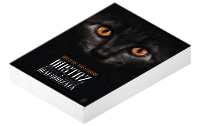

Nowa
Książka nowa.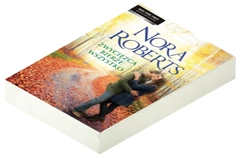
Używany - jak nowa
Niezauważalne lub prawie niezauważalne ślady używania. Książkę ciężko odróżnić od nowej pozycji.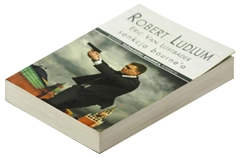
Używany - dobry
Normalne ślady używania wynikające z kartkowania podczas czytania, brak większych uszkodzeń lub zagięć.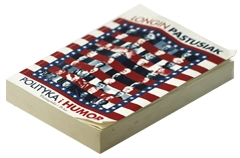
Używany - widoczne ślady użytkowania
zagięte rogi, przyniszczona okładka, książka posiada wszystkie strony.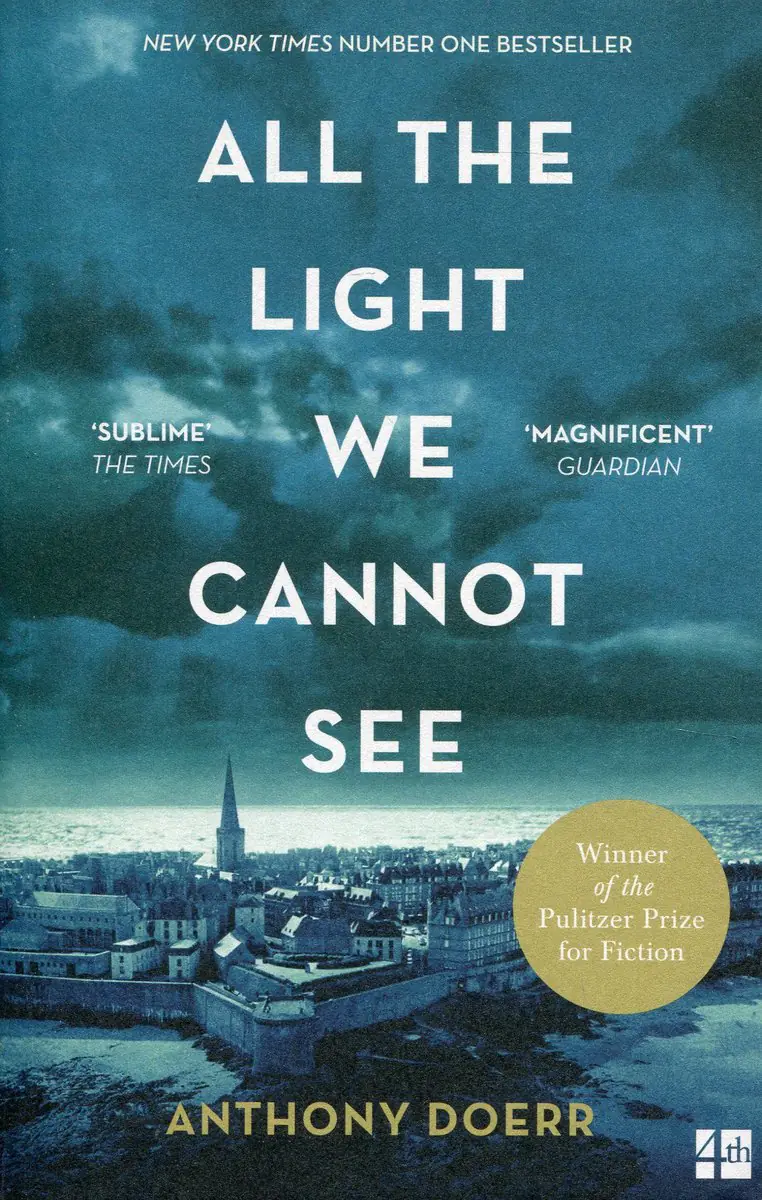
All the Light We Cannot See
Masz tę lub inne książki?
Sprzedaj je u nas

Marie-Laure lives with her father in Paris, close to the Museum of Natural History, where her father is in charge of the museum's countless locks. When she loses her sight at the age of six, her father creates a detailed miniature model of their neighborhood. This allows Marie-Laure to learn and recognize her surroundings through touch, enabling her to find her way home independently. By the time she turns twelve, World War II reaches Paris with the Nazi occupation, prompting Marie-Laure and her father to seek refuge in the fortified town of Saint-Malo. They move in with her reclusive great-uncle, who resides in a tall house overlooking the sea, taking with them a potentially priceless and dangerous jewel from the museum. Meanwhile, in Germany, an orphan named Werner grows up in a mining town with his younger sister. They are captivated by an old radio they discover, and Werner becomes skilled at repairing these devices. His expertise earns him a place at a harsh academy for Hitler Youth, and eventually he is assigned to track resistance efforts. As Werner becomes increasingly aware of the moral implications of his work, his journey takes him deep into the war and eventually to Saint-Malo, where his path intersect with Marie-Laure's. Anthony Doerr's writing is celebrated for its vivid imagery and beautiful metaphors, capturing the tension and humanity of this wartime narrative.
Wybierz stan zużycia:
WIĘCEJ O SKALI
Marie-Laure lives with her father in Paris, close to the Museum of Natural History, where her father is in charge of the museum's countless locks. When she loses her sight at the age of six, her father creates a detailed miniature model of their neighborhood. This allows Marie-Laure to learn and recognize her surroundings through touch, enabling her to find her way home independently. By the time she turns twelve, World War II reaches Paris with the Nazi occupation, prompting Marie-Laure and her father to seek refuge in the fortified town of Saint-Malo. They move in with her reclusive great-uncle, who resides in a tall house overlooking the sea, taking with them a potentially priceless and dangerous jewel from the museum. Meanwhile, in Germany, an orphan named Werner grows up in a mining town with his younger sister. They are captivated by an old radio they discover, and Werner becomes skilled at repairing these devices. His expertise earns him a place at a harsh academy for Hitler Youth, and eventually he is assigned to track resistance efforts. As Werner becomes increasingly aware of the moral implications of his work, his journey takes him deep into the war and eventually to Saint-Malo, where his path intersect with Marie-Laure's. Anthony Doerr's writing is celebrated for its vivid imagery and beautiful metaphors, capturing the tension and humanity of this wartime narrative.
Szczegóły
26.02 zł
jak nowa
-
26.02 zł
jak nowa
-
16.91 zł
widoczne ślady używania

Inne książki: Anthony Doerr

Podobne produkty
Może Ci się spodobać
Inne książki z tej samej kategorii

Napisz opinię o książce i wygraj nagrodę!
W każdym miesiącu wybieramy najlepsze opinie i nagradzamy recenzentów.
Dowiedz się więcejWartość nagród w tym miesiącu
880 zł
Dodaj swoją opinię
Zaloguj się na swoje konto, aby mieć możliwość dodawania opinii.
Czy chcesz zostawić tylko ocenę?
Dodanie samej oceny o książce nie jest brane pod uwagę podczas losowania nagród. By mieć szansę na otrzymanie nagrody musisz napisać opinię o książce.
Już oceniłeś/zrecenzowałeś te książkę w przeszłości.
Możliwe jest dodanie tylko jednej recenzji do każdej z książek.
Sposoby dostawy
Odbiór w punkcie (7)
InPost Paczkomat 24/7

14,99 zł
DPD Pickup Automaty i Punkty Odbioru

11,99 zł





Dostawa na adres (7)
GLS U Ciebie - Kurier

14,99 zł
Kurier DPD

14,99 zł





Sposoby płatności
Płatność z góry
Przedpłata

Zwykły przelew
