Stan książek
Nasze książki są dokładnie sprawdzone i jasno określamy stan każdej z nich.


Nowa
Książka nowa.
Używany - jak nowa
Niezauważalne lub prawie niezauważalne ślady używania. Książkę ciężko odróżnić od nowej pozycji.
Używany - dobry
Normalne ślady używania wynikające z kartkowania podczas czytania, brak większych uszkodzeń lub zagięć.
Używany - widoczne ślady użytkowania
zagięte rogi, przyniszczona okładka, książka posiada wszystkie strony.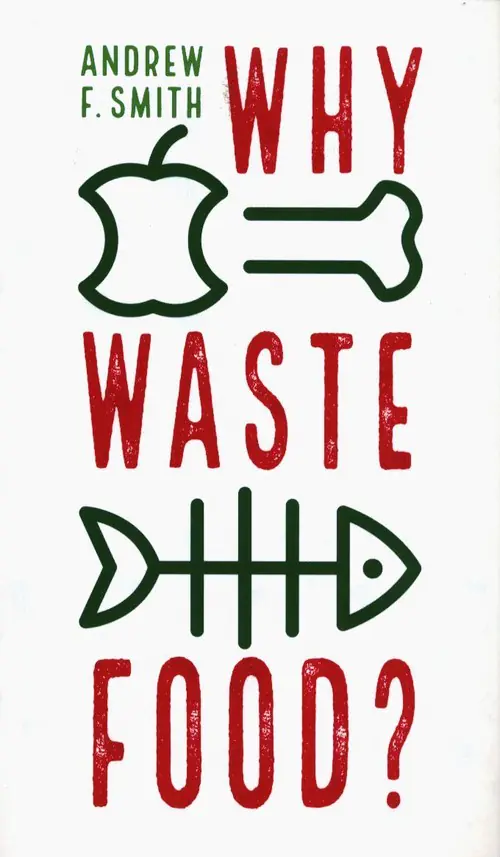
Why Waste Food?
Masz tę lub inne książki?
Sprzedaj je u nas

Approximately one-third of the food produced for human consumption is wasted annually, leading to significant financial, environmental, and ethical concerns. Although there is sufficient food production to nourish the global population, millions still experience hunger, malnutrition, or food insecurity. This wastage contributes to around 8 percent of total greenhouse gas emissions worldwide. Given the evident negative impacts, the question arises: why is so much food thrown away? In "Why Waste Food?", Andrew F. Smith delves into this critical issue of our time, analyzing the root causes of unnecessary food waste throughout the supply chain. The book also emphasizes actionable strategies that individuals and communities can adopt to address this international problem.
Wybierz stan zużycia:
WIĘCEJ O SKALI
Approximately one-third of the food produced for human consumption is wasted annually, leading to significant financial, environmental, and ethical concerns. Although there is sufficient food production to nourish the global population, millions still experience hunger, malnutrition, or food insecurity. This wastage contributes to around 8 percent of total greenhouse gas emissions worldwide. Given the evident negative impacts, the question arises: why is so much food thrown away? In "Why Waste Food?", Andrew F. Smith delves into this critical issue of our time, analyzing the root causes of unnecessary food waste throughout the supply chain. The book also emphasizes actionable strategies that individuals and communities can adopt to address this international problem.
Szczegóły
Inne książki: Andrew F. Smith

Podobne produkty
Może Ci się spodobać
Inne książki z tej samej kategorii

Napisz opinię o książce i wygraj nagrodę!
W każdym miesiącu wybieramy najlepsze opinie i nagradzamy recenzentów.
Dowiedz się więcejWartość nagród w tym miesiącu
880 zł
Dodaj swoją opinię
Zaloguj się na swoje konto, aby mieć możliwość dodawania opinii.
Czy chcesz zostawić tylko ocenę?
Dodanie samej oceny o książce nie jest brane pod uwagę podczas losowania nagród. By mieć szansę na otrzymanie nagrody musisz napisać opinię o książce.
Już oceniłeś/zrecenzowałeś te książkę w przeszłości.
Możliwe jest dodanie tylko jednej recenzji do każdej z książek.
Sposoby dostawy
Odbiór w punkcie (7)
InPost Paczkomat 24/7

14,99 zł
DPD Pickup Automaty i Punkty Odbioru

10,49 zł





Dostawa na adres (7)
GLS U Ciebie - Kurier

14,99 zł
Kurier DPD

14,99 zł





Sposoby płatności
Płatność z góry
Przedpłata

Zwykły przelew
