Stan książek
Nasze książki są dokładnie sprawdzone i jasno określamy stan każdej z nich.

Nowa
Książka nowa.
Używany - jak nowa
Niezauważalne lub prawie niezauważalne ślady używania. Książkę ciężko odróżnić od nowej pozycji.
Używany - dobry
Normalne ślady używania wynikające z kartkowania podczas czytania, brak większych uszkodzeń lub zagięć.
Używany - widoczne ślady użytkowania
zagięte rogi, przyniszczona okładka, książka posiada wszystkie strony.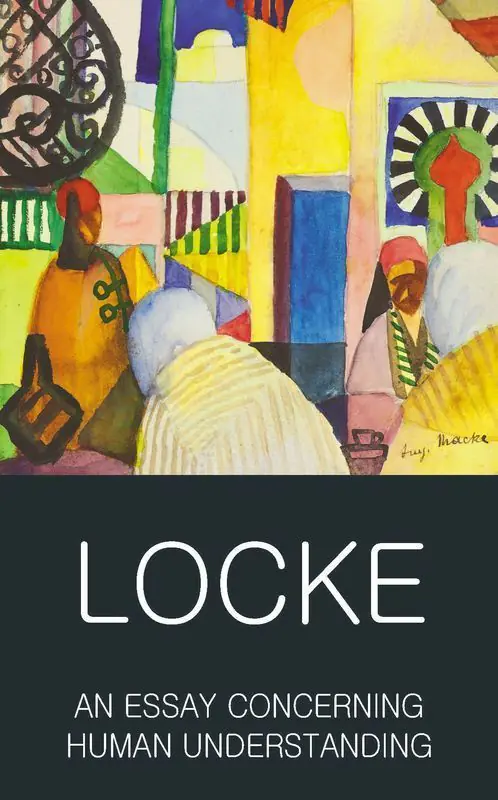
An Essay Concerning Human Understanding
Masz tę lub inne książki?
Sprzedaj je u nas

John Locke (1632-1704) was arguably one of the most impactful English writers of his era. His seminal works, "Essay Concerning Human Understanding" (1690) and "Two Treatises of Government" (1690), played a pivotal role in shaping the intellectual landscape of the eighteenth century. Contradiction to this period, Locke's contributions are often highlighted as cornerstones of the Enlightenment. Both the "Essay" and particularly the second of the "Two Treatises" left a significant imprint and were avidly read by people of Locke's time and shortly thereafter. His audience spanned across various segments of society, ranging from philosophers, historians, and political thinkers to community leaders, politicians, and lay readers who were keen to engage with the flourishing print culture of the day. Locke's assertion that the human mind was a tabula rasa, a blank slate awaiting experiences, complemented his belief in natural human freedom and equality, and the inherent right to form and govern their societies. In modern times, Locke's writings remain approachable and thought-provoking to scholars and students, yet they continue to captivate general readers interested in the classics of global literature.
Wybierz stan zużycia:
WIĘCEJ O SKALI
John Locke (1632-1704) was arguably one of the most impactful English writers of his era. His seminal works, "Essay Concerning Human Understanding" (1690) and "Two Treatises of Government" (1690), played a pivotal role in shaping the intellectual landscape of the eighteenth century. Contradiction to this period, Locke's contributions are often highlighted as cornerstones of the Enlightenment. Both the "Essay" and particularly the second of the "Two Treatises" left a significant imprint and were avidly read by people of Locke's time and shortly thereafter. His audience spanned across various segments of society, ranging from philosophers, historians, and political thinkers to community leaders, politicians, and lay readers who were keen to engage with the flourishing print culture of the day. Locke's assertion that the human mind was a tabula rasa, a blank slate awaiting experiences, complemented his belief in natural human freedom and equality, and the inherent right to form and govern their societies. In modern times, Locke's writings remain approachable and thought-provoking to scholars and students, yet they continue to captivate general readers interested in the classics of global literature.
Szczegóły
Inne książki: John Locke

Podobne produkty
Może Ci się spodobać
Inne książki z tej samej kategorii

Napisz opinię o książce i wygraj nagrodę!
W każdym miesiącu wybieramy najlepsze opinie i nagradzamy recenzentów.
Dowiedz się więcejWartość nagród w tym miesiącu
880 zł
Dodaj swoją opinię
Zaloguj się na swoje konto, aby mieć możliwość dodawania opinii.
Czy chcesz zostawić tylko ocenę?
Dodanie samej oceny o książce nie jest brane pod uwagę podczas losowania nagród. By mieć szansę na otrzymanie nagrody musisz napisać opinię o książce.
Już oceniłeś/zrecenzowałeś te książkę w przeszłości.
Możliwe jest dodanie tylko jednej recenzji do każdej z książek.
Sposoby dostawy
Odbiór w punkcie (6)
InPost Paczkomat 24/7

13,99 zł
ORLEN Paczka

12,99 zł




Dostawa na adres (7)
GLS U Ciebie - Kurier

14,99 zł
Kurier DPD

14,99 zł





Sposoby płatności
Płatność z góry
Przedpłata

Zwykły przelew
