Stan książek
Nasze książki są dokładnie sprawdzone i jasno określamy stan każdej z nich.


Nowa
Książka nowa.
Używany - jak nowa
Niezauważalne lub prawie niezauważalne ślady używania. Książkę ciężko odróżnić od nowej pozycji.
Używany - dobry
Normalne ślady używania wynikające z kartkowania podczas czytania, brak większych uszkodzeń lub zagięć.
Używany - widoczne ślady użytkowania
zagięte rogi, przyniszczona okładka, książka posiada wszystkie strony.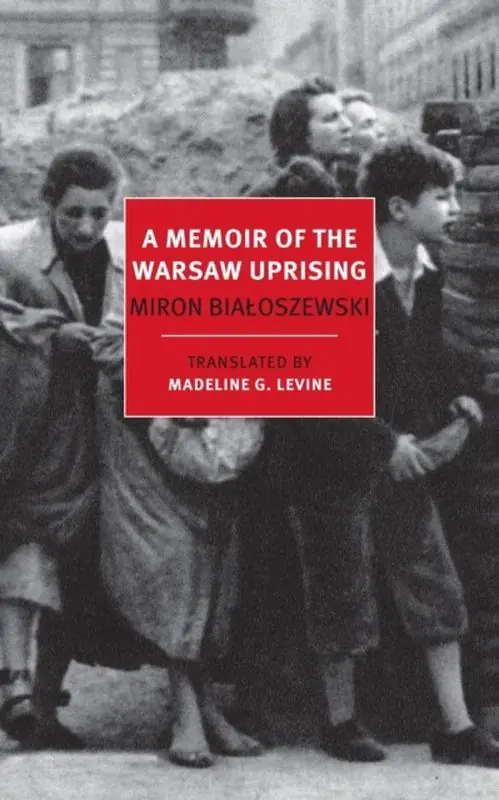
A Memoir of the Warsaw Uprising
Masz tę lub inne książki?
Sprzedaj je u nas

On August 1, 1944, Miron Białoszewski, who would later become one of Poland's most innovative poets, found himself unexpectedly caught up in a momentous historical event while running an errand for his mother. As Soviet forces lingered on the outskirts of Warsaw, the city rose up against the Nazi occupiers, fueled by a courageous spirit and the hope for liberation. However, 63 days later, the uprising ended in tragedy. The Nazis crushed the defiant insurgents with brutal force, turning Warsaw into ruins and killing approximately 200,000 people, predominantly through mass executions, as the Red Army stood by.Białoszewski provides a vivid, firsthand chronicle of the Warsaw Uprising, capturing its intense urgency. Readers are transported into the experiences of a young man navigating the chaos, evading sniper fire, succumbing to exhaustion, helping the injured, and burying the fallen. "A Memoir of the Warsaw Uprising" stands out as an essential testament and a potent literary work. Białoszewski's writing style is characterized by short, fragmented, and breathless sentences, reflecting the immediate reality he endured. His narrative is imbued with an intense, gripping poetry that defies the destruction it depicts. Madeline G. Levine has meticulously revised her 1977 translation, reintroducing sections that could not be published under Poland's communist regime.
Wybierz stan zużycia:
WIĘCEJ O SKALI
On August 1, 1944, Miron Białoszewski, who would later become one of Poland's most innovative poets, found himself unexpectedly caught up in a momentous historical event while running an errand for his mother. As Soviet forces lingered on the outskirts of Warsaw, the city rose up against the Nazi occupiers, fueled by a courageous spirit and the hope for liberation. However, 63 days later, the uprising ended in tragedy. The Nazis crushed the defiant insurgents with brutal force, turning Warsaw into ruins and killing approximately 200,000 people, predominantly through mass executions, as the Red Army stood by.Białoszewski provides a vivid, firsthand chronicle of the Warsaw Uprising, capturing its intense urgency. Readers are transported into the experiences of a young man navigating the chaos, evading sniper fire, succumbing to exhaustion, helping the injured, and burying the fallen. "A Memoir of the Warsaw Uprising" stands out as an essential testament and a potent literary work. Białoszewski's writing style is characterized by short, fragmented, and breathless sentences, reflecting the immediate reality he endured. His narrative is imbued with an intense, gripping poetry that defies the destruction it depicts. Madeline G. Levine has meticulously revised her 1977 translation, reintroducing sections that could not be published under Poland's communist regime.
Szczegóły
Inne książki: Miron Białoszewski

Podobne produkty
Może Ci się spodobać
Inne książki z tej samej kategorii

Napisz opinię o książce i wygraj nagrodę!
W każdym miesiącu wybieramy najlepsze opinie i nagradzamy recenzentów.
Dowiedz się więcejWartość nagród w tym miesiącu
880 zł
Dodaj swoją opinię
Zaloguj się na swoje konto, aby mieć możliwość dodawania opinii.
Czy chcesz zostawić tylko ocenę?
Dodanie samej oceny o książce nie jest brane pod uwagę podczas losowania nagród. By mieć szansę na otrzymanie nagrody musisz napisać opinię o książce.
Już oceniłeś/zrecenzowałeś te książkę w przeszłości.
Możliwe jest dodanie tylko jednej recenzji do każdej z książek.
Sposoby dostawy
Płatne z góry

InPost Paczkomaty 24/7
13.99 zł
Darmowa od 190 zł

ORLEN Paczka
12.99 zł
Darmowa od 190 zł

Automaty DHL BOX 24/7 i punkty POP
12.99 zł
Darmowa od 190 zł

DPD Pickup Automaty i Punkty Odbioru
8.99 zł
Darmowa od 190 zł

Automaty Orlen Paczka, sklepy Żabka i inne
12.99 zł
Darmowa od 190 zł

GLS U Ciebie - Kurier
14.99 zł
Darmowa od 190 zł

Kurier DPD
14.99 zł
Darmowa od 190 zł

Kurier InPost
14.99 zł
Darmowa od 190 zł

Pocztex Kurier
13.99 zł
Darmowa od 190 zł

Kurier DHL
14.99 zł
Darmowa od 190 zł

Kurier GLS - kraje UE
69.00 zł

Punkt odbioru (Dębica)
2.99 zł
Darmowa od 190 zł
Płatne przy odbiorze

Kurier GLS pobranie
23.99 zł
Sposoby płatności
Płatność z góry
Przedpłata

Zwykły przelew
